Rafael Long · 2 September 2026
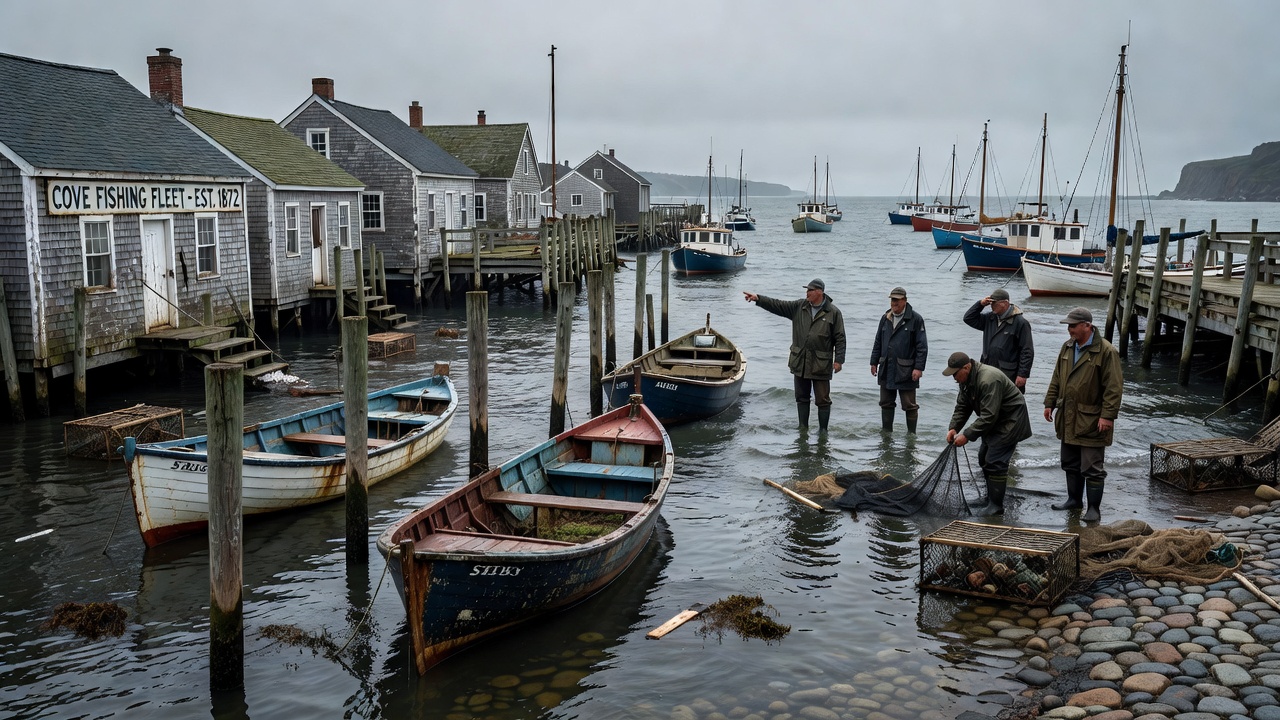
The fishing fleets of Covelight Cove have operated continuously since the early 19th century, relying on the protected waters for safe harbor and abundant catches. However, rising sea levels are now posing severe risks to these historic operations, eroding shorelines and inundating critical infrastructure essential for daily activities. Local records show that flooding events have increased from once a year to multiple times per season, disrupting fishing and related industries like net repair.
Physical Impacts on Coastal Facilities
Measurements indicate sea level rise of about 3.5 millimeters per year in recent decades. This has resulted in regular tidal flooding of the main wharf areas used by the fleets. Boat owners must now contend with submerged equipment sheds and slippery surfaces that increase accident risks. Many wooden piers have rotted faster due to prolonged exposure to brackish water, requiring costly replacements that strain family-run businesses. Additionally, increased wave action from higher seas accelerates beach erosion around the cove, leaving the fleets more vulnerable to storm damage.
Challenges to Livelihoods and Heritage
The economic repercussions are profound. Reduced accessibility to the harbor means delays in unloading catches, leading to spoilage and lost revenue. Fishermen note declining stocks of key species like cod and flounder, attributed partly to warmer waters altering habitats. This forces longer voyages, raising operational expenses and safety concerns. Preserving the cultural legacy of these fleets is a priority for residents. Annual festivals celebrating the maritime history draw visitors, but ongoing threats could diminish their appeal. Collaborative initiatives between local government, environmental groups, and the fishing community aim to develop sustainable practices, including updated vessel designs and habitat restoration efforts. Experts warn that without broader climate mitigation, the future remains uncertain. Monitoring programs track changes closely, providing data to inform policy decisions that could safeguard this vital coastal tradition for future generations.