Quinn Koch · 2 September 2026
Coastal authorities have introduced new regulations requiring LED navigation lights on all vessels operating in regional waters, prompting widespread discussion about potential impacts on maritime safety. The rules aim to improve energy efficiency and reduce environmental effects while maintaining visibility standards.
Key Provisions of the LED Mandate
The regulations specify that commercial fishing boats, recreational craft, and larger ships must transition to approved LED fixtures by the end of next year. Requirements include minimum luminous intensity, specific color coordinates for red, green, and white lights, and resistance to corrosion in saltwater environments. Officials note that LEDs consume less power than incandescent bulbs, lowering fuel use and extending operational range for smaller vessels without frequent battery replacements. Compliance involves third-party certification and random inspections at ports. Training sessions for captains and crews focus on correct mounting angles and avoiding glare that could affect night vision. Supporters highlight reduced maintenance needs and consistent performance over thousands of hours, aligning with broader coastal sustainability goals.
Implementation includes subsidies for low-income operators to offset upgrade expenses, though some paperwork delays have already surfaced in application processing.
Debates Over Visibility and Reliability
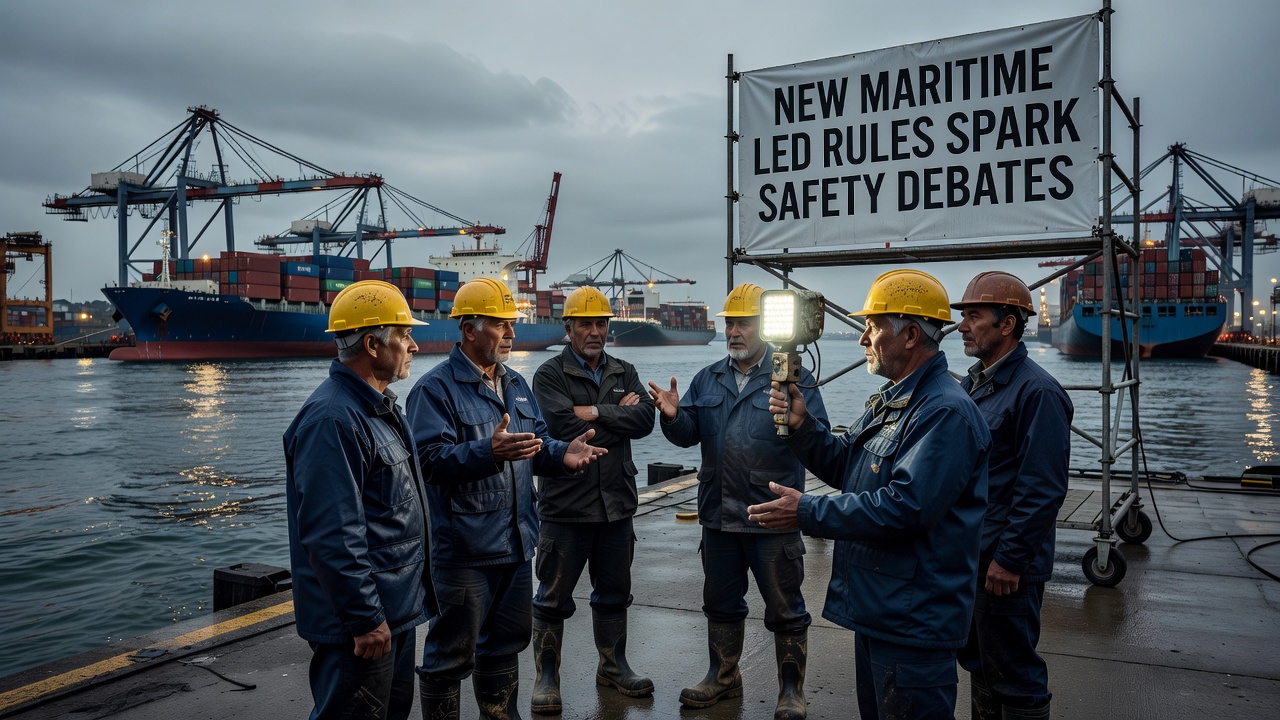
Critics among local mariners argue that certain LED models exhibit narrower beam angles and poorer penetration through fog or spray compared with traditional lamps, raising collision risks during poor weather common along the shoreline. Fishermen report instances where color rendering appears altered at distance, potentially confusing other vessels about heading or status. Independent tests commissioned by boating associations show mixed results, with some LEDs meeting international standards yet performing differently in dynamic sea conditions. Concerns also center on electromagnetic interference with onboard electronics and higher initial costs that could strain independent operators. Forums have featured calls for extended pilot programs and exemptions for older wooden hulls where wiring upgrades prove complex. Regulators continue gathering data from incident reports and simulator trials to address these points before full enforcement. The ongoing dialogue underscores tensions between modernization efforts and proven safety practices in coastal navigation.